
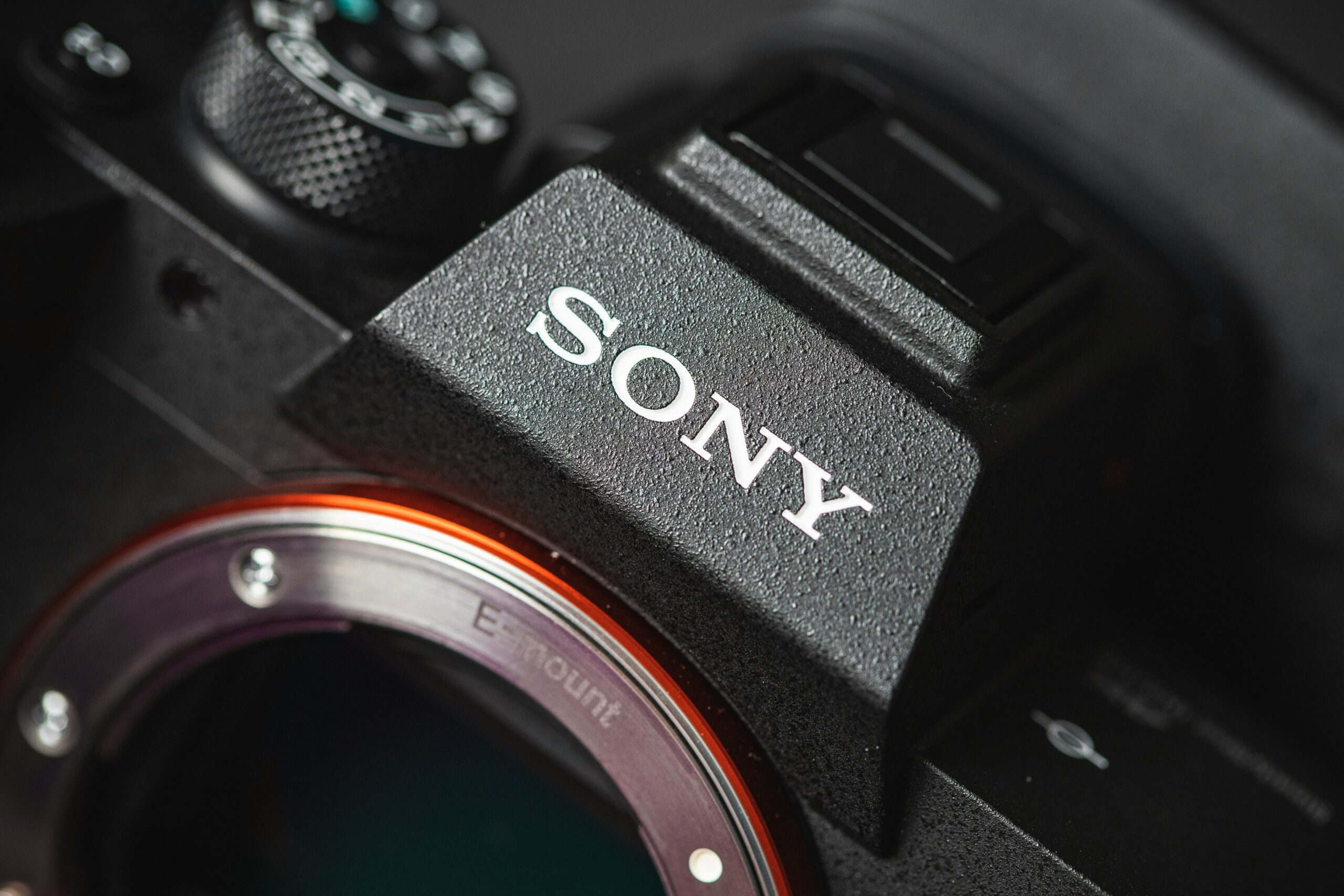
Why Sony Is Dominating the 2026 FIFA World Cup Sidelines
From breathtaking goals to dramatic saves, every unforgettable moment at the 2026 FIFA World Cup is being captured by some of the world’s most advanced cameras. If you’ve watched behind-the-scenes footage or looked closely at photographs of the photographers themselves, you’ve probably noticed one thing: Sony cameras seem to be everywhere.
Sony Has Become the Camera of Choice for Many Sports Photographers
While Canon and Nikon continue to be trusted by professionals around the world, Sony has established itself as one of the most visible brands on the sidelines of major sporting events. From international news agencies to freelance sports photographers, Sony’s latest mirrorless cameras have become a common sight throughout the tournament.
The reason isn’t brand loyalty alone, it’s performance.
The Global Shutter Advantage
One of Sony’s biggest advantages is the Alpha 9 III, the world’s first full-frame interchangeable-lens camera with a global shutter image sensor.
Traditional electronic shutters read the sensor line by line, which can create rolling shutter distortion during fast action. A global shutter captures the entire image simultaneously, virtually eliminating distortion while also reducing flickering and banding caused by modern LED stadium lighting.
For sports photographers covering soccer’s fastest moments, that’s a significant advantage.
Incredible Speed
World Cup matches are unpredictable. A decisive goal, bicycle kick, or game-winning save can happen in a split second.
Sony’s flagship cameras are built for exactly these moments.
The Alpha 9 III can shoot up to 120 frames per second while maintaining continuous autofocus and auto exposure, giving photographers an extraordinary number of frames to choose from. Even Sony’s Alpha 1 II delivers exceptional speed that rivals the best cameras in the industry.
More frames mean a better chance of capturing the exact instant the ball leaves a player’s foot or a goalkeeper makes an impossible save.
Autofocus That Keeps Up
Modern autofocus has become just as important as image quality.
Sony’s newest cameras use AI-assisted subject recognition capable of tracking athletes’ eyes, faces, and bodies even when they’re moving rapidly across the frame or temporarily blocked by other players.
For photographers shooting hundreds or even thousands of images during a single match, reliable autofocus dramatically increases the number of usable photos.
Silent Shooting
Unlike traditional DSLR cameras, Sony’s professional mirrorless cameras can shoot completely silently.
That allows photographers to work during penalty kicks, press conferences, and emotional post-match celebrations without the distracting sound of a mechanical shutter.
It’s a small feature that makes a big difference during high-profile sporting events.
Why Many Agencies Switched
Once a major news agency invests in a camera system, changing brands becomes expensive.
Many agencies began transitioning to Sony during the mirrorless revolution several years ago. As new camera generations arrived, upgrading within the Sony ecosystem became the logical choice.
Canon and Nikon Are Still Serious Competitors
Sony’s visibility at the World Cup doesn’t mean Canon and Nikon have disappeared.
Canon’s EOS R1 remains one of the world’s premier sports cameras, offering outstanding autofocus, excellent ergonomics, and the reliability that professional photographers have trusted for decades.
Meanwhile, Nikon’s Z9 continues to earn praise for its speed, rugged build quality, excellent battery life, and exceptional image quality. Many of the world’s top sports photographers still rely on Nikon equipment every day.
Mirrorless technology is becoming the standard and global shutter technology is set to reshape what sports photographers can achieve.
For professionals covering the world’s biggest sporting events, every fraction of a second matters. Today’s flagship cameras are designed to capture every one of them.
Whether you’re a Sony, Canon, or Nikon shooter, one thing is clear: sports photography has never been more exciting.